VISITING FELLOWS 2026-27
AIR VICE-MARSHAL JASON APPLETON
RAF Slessor Fellow
Air Vice-Marshal Jason Appleton grew up in Bolton and, following a 6th Form scholarship, joined the Royal Air Force as a Navigator in January 1991. He has amassed in excess of 3000 flying hours on helicopters over numerous operational flying tours, to include the Former Yugoslavia, Northern Ireland (where he was awarded the Queen’s Commendation for Valuable Service), Iraq and Afghanistan, and a non-flying tour in Iraq as an Air Advisor. He was a Qualified Helicopter Tactics Instructor on both Merlin and Puma helicopters and attained A2 Instructor status whilst serving at the Defence Helicopter Flying School. He has commanded: 28 (Army Cooperation) Sqn; the Merlin and Puma Forces in Iraq; and the Joint Aviation Group in Afghanistan, comprising the Chinook, Merlin, Apache, Lynx and Sea King Forces. He was also Station Commander RAF Shawbury, home to No.1 Flying Training School and the Defence College of Air and Space Operations. Staff appointments include: Head of Flight Safety, HQ Joint Helicopter Command; Head of the RAF Presentation Team; Chief of Staff No 1 Gp, co-ordinating staff output for the RAF Combat Air and ISTAR Forces; and serving as President of a Service Inquiry into a helicopter accident. As Assistant Head Commitments, Joint Helicopter Command, he held responsibility for Operational and Exercise commitments for all UK Battlefield Helicopters, prior to serving as the Senior British Officer in NATO’s Allied Air Command at Ramstein Air Base, Germany. Before taking up his current appointment as AOC No. 2 Gp, AVM Appleton was Director of two strategic transformation programmes. A graduate of the Advanced Command and Staff College (2009) and the Royal College of Defence Studies (2022), AVM Appleton holds an MA in Defence Studies and PGCert in Strategic Studies from King’s College London.

CAPTAIN JULIETTE ASH
Field Army Fellow, Information flow for decision making advantage
Juliette is a former advisor to the SACEUR and a Field Army reservist. She has worked on multiple operations in the UK and Europe, focusing on ISTAR capabilities and development of the Recce-Strike complex at the divisional level in order to enhance decision making on the battlefield.
Her research interest lies within this field in the context of multi-domain operations and the new ‘transparent battlefield’, in particular, understanding how best to ensure military advantage through reliable and timely information processing and passage across the Recce-Strike complex supported by relevant technological developments in Artificial and Open-Source intelligence.
A former elected politician, think-tank director and business founder she anticipates bringing the practitioner lens to research and has both received commendations for implementing system efficiencies: enabling effective collaboration between agencies, strategic context setting interventions and innovative educational methods and has informed public policy throughout.
Her expeditionary endeavours include competing in the ‘World’s Toughest Race’ – the Eco-Challenge in Borneo, summiting unclimbed peaks in Greenland and completing self-directed expeditions to Svalbard.
GUY BENNETT
How UN peace operations can strengthen the link between political intent, operational decision-making and more effective field-level delivery through improved foresight, clearer prioritisation, stronger structural alignment, and more effective use of technology, information and data in leadership decision-making
Guy served twenty years in the British Army in various capacities, including a tour as Deputy Military and Police Adviser in the United Kingdom Mission to the United Nations. He has global operational experiences and a technical background. Upon leaving The Army he went into business, working in Digital Transformation provision. In 2013, he joined the United Nations Mission in South Sudan, subsequently serving as Chief Joint Mission Analysis Centre, Principal Adviser to the Special Representative of the Secretary General and Chief of the Political Affairs Division. He has since moved to the United Nations Headquarters to lead the Enhancement of Situational Awareness workstream, part of the Department of Peacekeeping Operations’ Digital Transformation Strategy.
WOUT BISSCHOP
The Ethics of International Military Cooperation
Dr. Wout Bisschop is assistant professor of military ethics and leadership at the Faculty of Military Sciences at the Netherlands Defence Academy. With a background in philosophy and theology, his research is mostly in the fields of ethics, epistemology and hermeneutics. He currently works on projects about the ethics of multinational military cooperation, and just war theory.
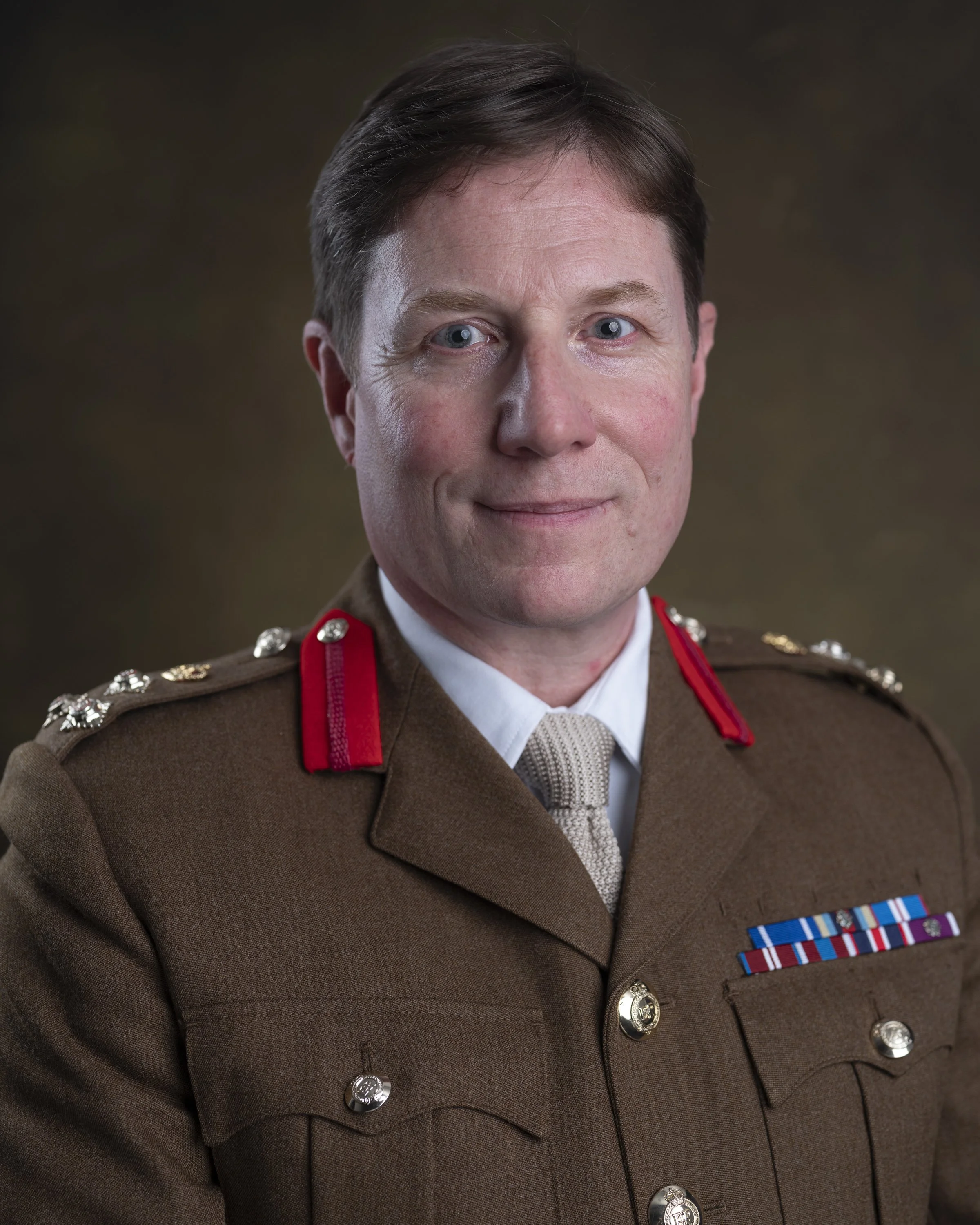
BRIGADIER KEITH EBLE
Artificial Intelligence and Command Responsibility: Implications for Military Decision-Making under the Law of Armed Conflict
Brigadier Eble is a serving officer and lawyer in the British Army. He studied law, before becoming a barrister of Lincoln's Inn in 1994, initially practicing law in London. He is a graduate of the UK's Advanced Command and Staff Course and holds a MA Degree from King's College London.
Brigadier Eble served as an Army Reservist soldier in the Royal Signals before commissioning into the Army Legal Services (ALS) in 1996. He has served in multiple staff legal roles in the UK and overseas, including on operations in the Balkans and in Afghanistan. In 2012, he was Principal legal adviser to the Joint Commander during the London Olympics/Paralympics security operation that year before completing his last appointment as a Lieutenant Colonel as the Commander Legal, 1 (UK) Armoured Division in Germany.
After promoting to Colonel in 2015, Brigadier Eble served at the British Army Headquarters, the Service Prosecuting Authority and Field Army. He promoted to Brigadier in August 2020 on appointment as Head Operational Law, British Army and was appointed Head Legal Advisory in October 2023. He will assume his next appointment as the Legal Adviser Cyber & Specialist Operations Command in December 2026.
IMOGEN FIRMSTONE
Decision making and the cyber domain. How effective are western governments in achieving their cyber objectives in warfare compared with other states? What impacts western decision making, and how will technological advances shape that.
A former senior UK diplomat, Imogen joined the UK’s Foreign, Commonwealth and Development Office in 1999. With over two decades of diplomatic experience she has worked across Europe, Middle East and Africa, Latin America and Australasia. She has led cross-government and international efforts to counter state-based and non-state cyber threats and advised senior decision-makers on geopolitics, national security, cyber risk and resilience.
Imogen’s research examines decision-making and effectiveness in the cyber domain within contemporary geopolitics. She explores how states design, govern and employ cyber capabilities and whether some are more effective than others in achieving strategic objectives. Central to this work are questions of how political leadership, organisational structures, strategic culture and human factors shape cyber decision-making pre conflict and during conflict. She also examines the impact of technological advances such as AI and Quantum on the use of cyber capabilities in an increasingly contested and technologically dynamic global environment.
Imogen holds a BA(Hons) in European Politics and Spanish, and an MSc in Information Security.
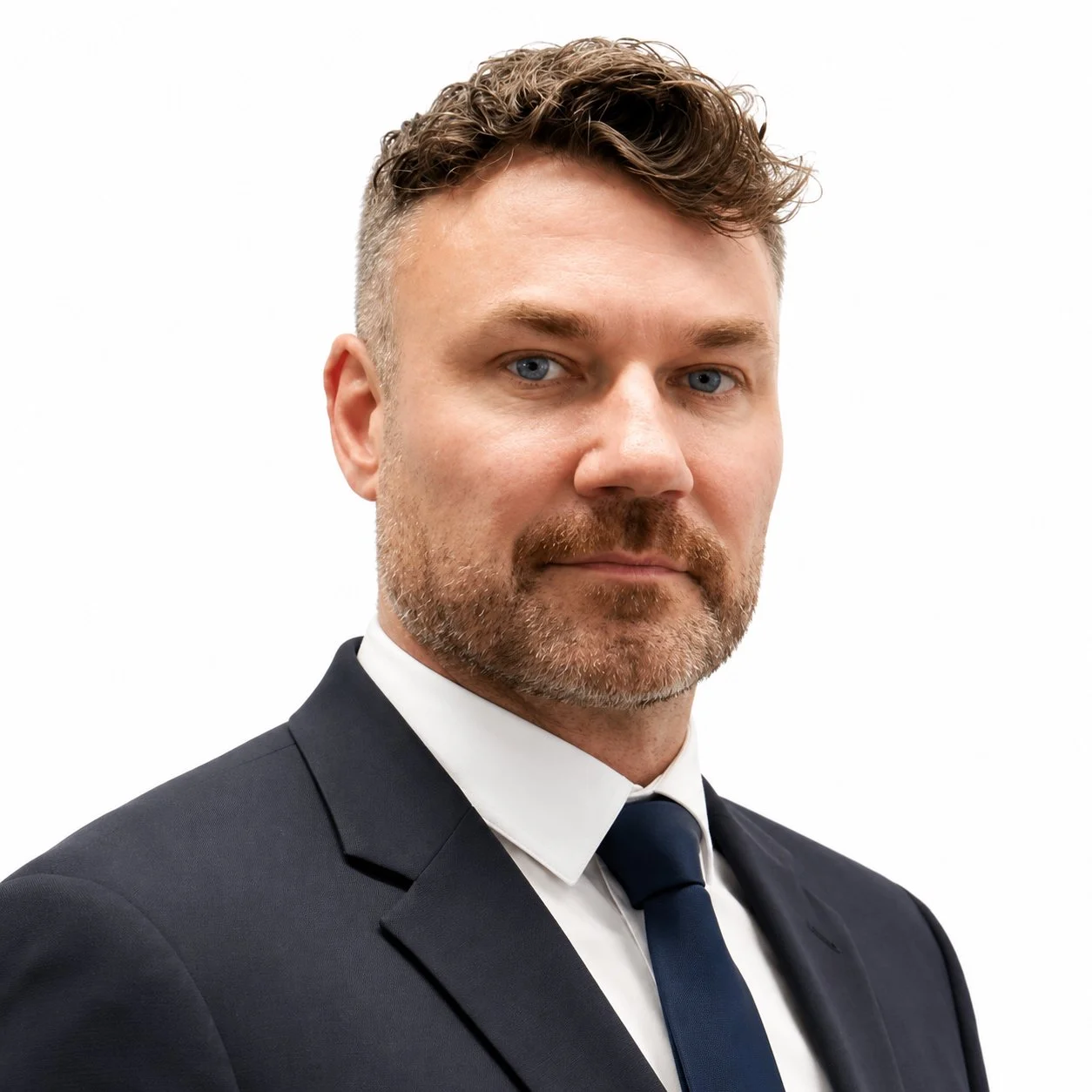
JAMES LANGAN
Blurred Lines: A Framework to Measure Deterrence in the Hybrid
James Langan is the military strategist for the Joint Expeditionary Force (JEF) and a serving Royal Air Force officer with operational experience in Afghanistan, Sudan, the Gulf, and Iraq/Syria counter ISIS operations. He previously served as the Ministry of Defence’s Chief Information Operations Instructor, specialising in influence, targeting and StratCom.
Prior to military service, he worked as a commodities trader specialising in European energy markets. His research focuses on geoeconomics, hybrid warfare, deterrence, and the strategic consequences of attacks on critical infrastructure. He holds a BA in International Relations from Staffordshire University, an MPhil in Politics and International Studies from the University of Cambridge. He is the Lord Palmerston Adjunct Fellow in Grey-Zone Deterrence and Strategic Statecraft at the Council on Geostrategy.
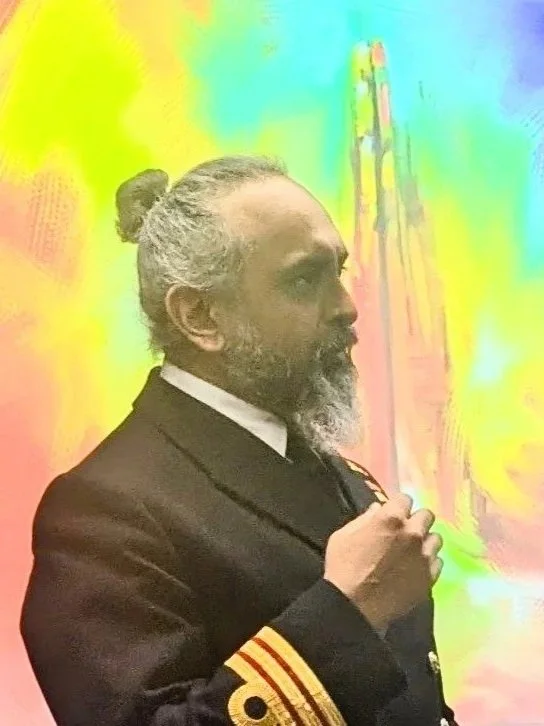
MANISH TAYAL
Royal Navy Hudson Fellow
Manish is a Royal Navy Medical Officer, a General Practitioner by background, and a Visiting Fellow at the KCL Department of Defence Studies. Drawing on over two decades of Operational experience in submarine, surface, land, and air environments, and across clinical, training, and strategic and operational headquarters settings, he employs a pracademic approach, applying academic rigour to lived realities to inform strategic policy and Operational decision-making.
Building on his doctoral research into ethics, leadership, and institutional cultures, Manish's CCW research focuses on two key areas: a structure for robust, reliable, contextualised ethics advice to military Commanders - what an EthAd function might look like and how it might be effectively delivered; and a systemic analysis of moral injury within the Armed Forces - specifically, how organisational stressors and shifting paradigms of modern conflict create ethical strain in individuals and generate moral risk for the Service.
More broadly, Manish is deeply interested in the integration of non-Western ethical and strategic traditions with modern Western frameworks, exploring classical aesthetics, historical literature and Scripture, and linguistic and conceptual traditions to inform modern strategic thinking. He was awarded an MBE in 2018 for his work on race, faith, and inclusion in Defence, and themes of justice and people support remain the golden threads running through all his work.
THOMAS WHELAN
The emerging role of cryptocurrency in enabling illicit statecraft
Thomas joins SST-CCW to develop his understanding of financial security and geopolitics, with a specific focus on researching the emerging influence of cryptocurrency and alternative finance in statecraft.
Thomas has had a 10-year career in HMG's Civil Service, focused on supporting the UK and Europe's Defence and Security. He has served in the British Army, the Ministry of Defence, and currently, the Foreign Commonwealth & Development Office. His interests remain in geopolitics, Defence & Security and the potential of expanding public-private partnershps. Thomas holds a MA Hons in International Relations (University of St Andrews), and a MLitt in Terrorism & Political Violence (Distinction; University of St Andrews / Georgetown University). He completed a Policy Fellowship at Cambridge University's Centre for Science & Policy between 2021 to 2023.

PROFESSOR PHILIP WOOD
Secure Homeland? Examining the development of Critical Infrastructure resilience to support the United Kingdom’s Defence policies, strategies and commitments
Professor Phil Wood MBE is an educator, trainer and consultant who has extensive experience and deep expertise in security, crisis and continuity management theory and practice. Prior to embarking on his consulting and business teaching career he was appointed as Professor of Professional Practice and was Head of the School of Aviation and Security at Buckinghamshire New University. Before that was a commissioned officer in the Royal Air Force Regiment and deputy director of training for an internationally recognised corporate security training company. More recently, as a consultant, he has been involved in developing online security courses and designing and delivering cyber security training and exercise programmes for clients in the UK and internationally.
His research focuses on the synergies and gaps between UK Defence and Resilience policies and the challenges and realities for ‘whole of society’ preparedness and capabilities in organisational security, resilience, and engagement. He is a member of the Register of Chartered Security Professionals, an Honorary Member of the Business Continuity Institute, a Technical Specialist Member of the Institute of Risk Management and a Senior Fellow of the Higher Education Academy. His book, Resilient Thinking: Protecting Organisations in the 21st Century was published in 2023 and encompasses his approach to understanding the ways in which we think about and act upon resilience challenges.

VISITING FELLOWS 2025-26

DR SEAN ANDREWS
Under the Meridians Gaze: The utility of maritime power, the principles of strategy, and the purpose of war in the maritime domain
Dr Sean Andrews is a recently retired naval Captain with extensive operational and command experience. His research centres on the evolving character and strategic utility of naval power and maritime security. Dr Andrews is currently the Five Eyes Fellow at the Royal Navy Strategic Studies Centre. Most recently, he was the Senior Maritime Fellow at the National Security College, Australian National University, and a Visiting Fellow at the Changing Character of War Centre in 2023. He is an Associate Member of King’s College London.
Previously, Dr Andrews served as Director of the Sea Power Centre – Australia and founded the Indo-Pacific’s Six Nation Maritime Working Group. Commissioned as a Seaman Officer in 1990, he is a Principal Warfare Officer and Under Sea Warfare specialist who has completed extensive sea service in destroyers, frigates, and patrol boats, and has held a broad range of operational and joint appointments over a distinguished three-decade career. In recognition of his leadership as Commander of the Australian Headquarters in the Middle East, Dr Andrews was awarded the Conspicuous Service Cross in the King’s Birthday Honours List 2024. He regularly writes and presents internationally on policy, strategy, and the economic dimensions of maritime affairs. His first book, Naval Constabulary Operations and Fisheries Governance, was published in May 2024, with his second, Under the Meridian’s Gaze: The Utility of Power, the Principle of Strategy, and the Purpose of War in the Maritime Domain, to be published in 2026.

PROFESSOR SEYITHAN AHMET ATES
Diffusion and Synergy Between the Defense and Civilian Sectors: A Comparative Policy Analysis of Leading NATO Member States and China
Dr. Ates is an academic and practitioner with a strong focus on innovation, entrepreneurship, energy economics, and socio-technical transformation. He currently serves as a professor at Ankara University of Social Sciences and as the head of the Department of Economics. Beyond his teaching and research responsibilities, he has been actively involved in projects with leading international organizations, including the United Nations Industrial Development Organization (UNIDO), the European Bank for Reconstruction and Development (EBRD), and the European Union (EU), where he has contributed as a consultant or country specialist.
He earned both his undergraduate and graduate degrees from the Vienna University of Economics and completed his doctoral studies in Social and Economic Sciences at the Vienna University of Technology. In 2016–2017, he was a postdoctoral fellow at Harvard University. Additionally, as a recipient of the Taiwan Fellowship in 2020, he conducted research as a visiting scholar at National Taiwan University.
Dr. Ates will address the topic of "Diffusion and Synergy Between the Defense and Civilian Sectors" in his research at Oxford University. More specifically, he will focus on technology spillover through "A Comparative Policy Analysis of Leading NATO Member States and China."

CAPTAIN RENE CANO
US Navy Hudson Fellow
Captain Cano graduated from the U.S. Naval Academy with a Bachelor of Science in Mechanical Engineering and is a licensed Professional Engineer. He also holds master’s degrees in National Security Strategy from the National War College and in Business Administration from the Naval Postgraduate School.
A career submarine officer, he has served aboard fast-attack and ballistic missile nuclear-powered submarines, as well as in staff assignments at the Pentagon and Submarine Force Headquarters. He commanded Submarine Readiness Squadron 31, where he was responsible for generating combat-ready submarines through logistics, repair, medical, and weapons support. His work examines how resilient supply chains and infrastructure underpin naval power and credible deterrence against great power challengers.

LT. COL. DAVID CAVE
Australian Alliance Management - The dynamics of international alliances in war
David is an Australian Army officer researching the management of military alliances between nations in wartime. Trained as a military engineer, he has completed duty assignments across six continents including Antarctica. His operational service includes tours in Afghanistan and peacekeeping in South Sudan. David has served alongside UK, US and NATO forces on multiple occasions and completed the UK’s Advanced Command and Staff College with King’s College London.
Academically David holds a BEng, three Masters degrees in science and humanities, and a PhD in history. His doctoral research as a Chief of Army Scholar examined the British relationship with their European allies during the Second World War. David contributes regularly to a range of professional and peer-reviewed military publications on the application of military strategy and the evolution of military technologies.
SARAH CHAPMAN TRIM
RAF Slessor Fellow
Sarah Chapman Trim is a Military Psychologist focused on the readiness to fight. After commencing her career as an academic psychologist and statistical consultant, Sarah became the first dedicated Submarine Psychologist to serve in uniform in any naval force in the world and the first military psychologist to serve in combat operations in the maritime environment when she served as Maritime Task Group Psychologist during Gulf War II.
Sarah is a keynote speaker and published author of over twenty articles and book chapters on the science of human behaviour, culture change and performance in the military, She specialises in performance optimisation of individuals and teams in Isolated, Confined and Extreme (ICE) environments, with expertise in leadership and influence in multidomain, multiagency and multijurisdictional environments; psychosocial resilience; decision-making; and individual differences predictive of resilience and performance under pressure.
A former Non-Executive Director of Standing Joint Forces Command, Sarah routinely consults to the UK Ministry of Defence, NATO and industry, delivering keynotes, lectures, workshops and providing policy advice on delivering personnel capability at scale. She is a Visiting Lecturer at the Defence Academy of the United Kingdom, Baltic Defence College and the NATO Defense College. As a Royal Air Force Slessor Fellow, Sarah will be examining critical incident and ‘least worst’ decision making in a digital age characterised by autonomy, speed and the use of artificial intelligence, with a particular focus on the nuclear context.
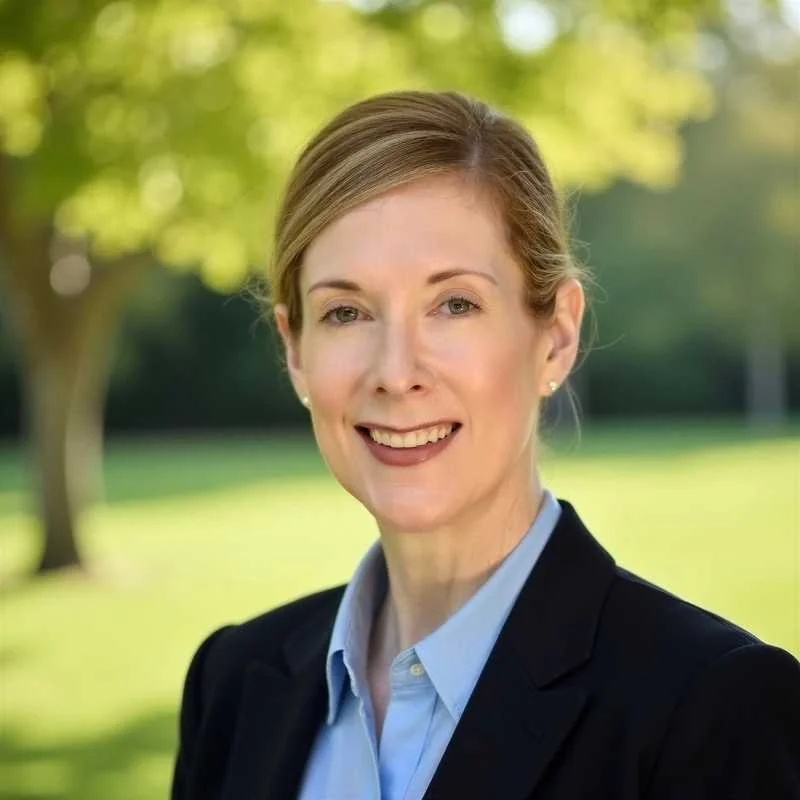

LT. COL. JAMES DUTTON
Royal Navy Hudson Fellow
James Dutton is a Royal Marines officer with 18 years’ service, specialising in joint operations, military strategy, and policy. As a Hudson Fellow at CCW he is researching the impact of modern communication technologies on the conveyance of military intent and its execution in practice, exploring how changes in communications technology affect command, control, and decision-making. His operational and staff experience spans a range of UK defence and multinational contexts, with particular interest in how armed forces adapt command structures to meet evolving technological and strategic challenges.

WING COMMANDER ANGUS MACINTYRE
NATO - Deterrence and peace in Europe through design or luck
Angus MacIntyre joined the RAF Regiment in 1999, having spent his previous 13 years as an officer in the 1st Bn The Argyll and Sutherland Highlanders. He has completed tours of duty with both the Royal Marines (42 Cdo RM) and the Parachute Regiment (HQ 5AB) including operations in arctic Norway, the jungles of Brunei, and Northern Ireland. RAF Regiment operational tours of duty have included Northern Ireland, Afghanistan, Kuwait, Sierra Leone, Liberia, Iraq and Mogadishu in Somalia. Angus has extensive overseas and diplomatic experience working at the strategic level, including with embassies particularly in Africa during civil conflicts, and with all 3 of the Services.
The last 4 years have focussed on the UK support to Ukraine(UKR) after the Russian invasion in February 2022. Following the invasion MacIntyre supported the Euro-Atlantic Security (EAS) Team for 6 months, linking together UK inputs to the MOD from SHAPE and NATO HQ Brussels. In September MacIntyre moved to the NATO HQ in Brussels to support the UK Military Representative to NATO (MILREP) and was embedded with the NATO International Staff (NATO IS). This involved regular trips to Kiev to work with the Ukrainian Ministry of Defence and Ministry of Interior. Utilising his network in the Pentagon Angus ensured that when the NATO tectonic plates started to move, they were in lockstep with US, and UK direction, and supporting the UKR demand signal. He was awarded a VCDS Commendation for his work in Kiev in tying together and leveraging the Ukraine Capabilities Assistance Package (UCAP) to support UK deliverables in Kiev. On his return from Brussels, he joined the Assistant Head Task Force SPIRIT role for 6 months, where he was able to use contacts in Stuttgart, Weisbaden, Brussels and the Pentagon and focus UK support towards NATO interoperability goals for the UKR Armed Forces. During 2020-21 he spent 12 months in the Pentagon, Arlington Virginia, as an embedded staff officer in the US Army working in the Global Integration Division, Chiefs of the Joint Staffs, Strategic Plans Branch; Angus held a key portfolio looking at strategic opportunities for US and coalition forces in the 3-5 year horizon. Angus has also spent 12 months in Mogadishu working for the United Nations Headquarters in Somalia as Military Assistant (MA) to the Chief of the Defence Staff of the Somali National Army, and MA to the Deputy Special Representative (DSRSG) of the Secretary General of the UN Mission in Somalia (UNSOM). He is a Chief of the Air Staff’s Academic Fellow, having studied at Exeter University’s Strategy and Security Institute gaining an MA in Applied Security Strategy.

DR ROBERT PARR
The Impact of Lawfare on UK Special Forces
Dr Bob Parr is an Associate of King’s College London and a 25-year veteran of UK Special Forces, where he served with 22 Special Air Service (SAS) Regiment, the Special Reconnaissance Regiment (SRR), and on attachment with various national Intelligence agencies. He subsequently became a multi Emmy Award-winning television producer; the head of global security for one of the world’s largest offshore oil extraction corporations; and the founder of a company specialising in risk management solutions for the film and television industry. He has worked in more than 140 countries worldwide.
Dr Parr holds a Post-Graduate Diploma in International Security and Intelligence; a Master’s Degree in Security and Risk Management; and a PhD in Defence Studies awarded by King’s College London (KCL). He has presented at various academic fora, and co-founded KCL’s Forum for Private Security Research. Dr Parr recently co-edited and contributed to Private Military Contractors and Conflict in the New Millennium (Oxford: Routledge Press, 2025). His current research focusses on the national security implications of allowing Human Rights discourse to shape, bound and potentially limit the UK’s defence capabilities. Dr Parr was appointed to the Order of the British Empire (MBE) in 2000 for outstanding service with UK Special Forces.

SURG.CAPT. RORY RICKARD
Royal Navy Hudson Fellow
Professor Rickard is a surgeon in the Royal Navy and Emeritus Professor of Military Surgery at the Royal College of Surgeons of England, a chair that has been continually appointed since the Crimean War. His PhD was in a bioengineering topic related to microvascular surgery and as Professor of Military Surgery he has supervised doctorate students in topics as diverse as the subcellular response to blast and the ethics of live tissue training. Clinically, he specialises in musculoskeletal cancer surgery and in trauma reconstruction. He has broad operational experience in clinical delivery and in leadership roles on operations in the Balkans, Northern Ireland, Iraq, Afghanistan, South Sudan and in support of the Armed Forces of Ukraine.
As Hudson Fellow, Professor Rickard is conducting research into the moral philosophy and legal implications of the medical profession engaging in human augmentation for enhanced combat lethality.
COLONEL CAGRI SAGIROGLU
Improving Operational Planning to Maintain Competitive Military Advantage
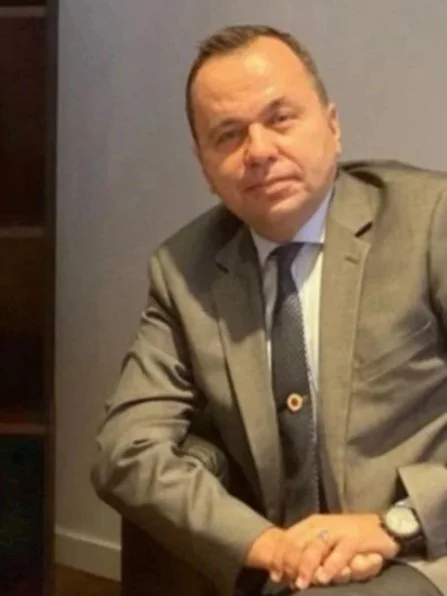
Colonel Dr Cagri Sagiroglu is a Turkish Army officer with more than twenty years of distinguished service in operational command, strategic planning, and military innovation. As a Research Fellow, he is examining approaches to refine operational planning and thereby sustain competitive military advantage amid multi-domain and hybrid threats. His research weaves together historical analysis of warfare, the persistent human dimensions of conflict—leadership and decision-making under pressure—and cutting-edge technologies such as data mining with AI. This yields profound insights into contemporary conflicts while confronting the complexities of frozen conflicts, cross-theatre deterrence, and urbanisation’s effects on operational design. He maintains that technological innovation must be tempered by the abiding value of military history and the human factor: no advance can wholly eclipse the critical role of historical insight and human judgement in war.
Col. Sagiroglu graduated from Kuleli Military High School (1997) and the Land War Academy (2001) in Türkiye. He completed specialised training in field artillery and commando operations, followed by a master’s degree in international relations. His PhD in Industrial Engineering, conferred jointly by the Universities of Groningen and Çukurova, examined artificial pattern recognition and data mining as tools for regional security challenges at senior decision-making levels; this work was supported by Jean Monnet Scholar status, enriching his engagement with European security and foreign policy processes. He advanced his expertise through programmes at the Rakovski Military Academy in Bulgaria, the National Defence University Command and Staff College in Türkiye, the UK Defence Academy, and the NATO Defence College in Italy—where he earned an Honour Degree for his thesis on evolving operational dynamics and sustainable cross-theatre deterrence. He has contributed to numerous NATO workshops and high-level discussions on contemporary security issues, AI-based risk assessment, understanding of quantum, and future operational planning.
Colonel Sagiroglu currently serves at the National Defence University Army War College. His career spans prolonged command of units in varied national and multinational contexts under UN and NATO auspices (including the Balkans and Afghanistan), senior staff and executive appointments at the Turkish General Staff and Ministry of National Defence—including service as Military Attaché to Belgium and Luxembourg in Brussels—and leadership of NATO-linked training, education, and civil–military cooperation initiatives.
DR FRISO STEVENS
Julian Corbett, the Joint Expeditionary Force, and a Naval Strategy for Small Countries
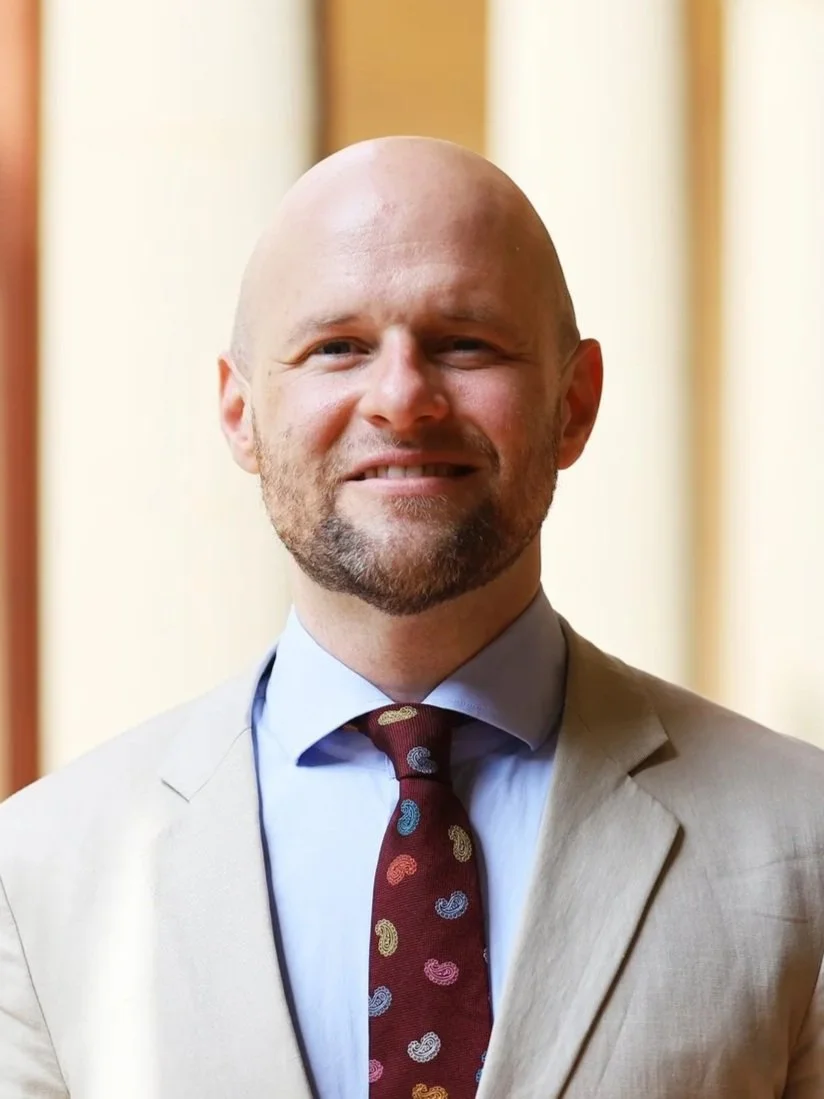
Dr Friso M.S. Stevens is a Nonresident Senior Fellow at The Hague Centre for Strategic Studies. From September to November 2025, he is a Fulbright-Schuman NATO Security Studies Scholar at the School of Advanced International Studies, Johns Hopkins University. In March 2023, Friso earned a Ph.D. Degree in International Relations from Leiden University. In May 2025, this was published as a monograph with the Routledge Asian Security Studies Series under the title Chinese Assertiveness, Ideational Mobilization, and the Rise of Xi Jinping: Achieving Something. From 2021 to 2023, he was a Max Weber Postdoctoral Fellow at the Robert Schuman Centre for Advanced Studies of the European University Institute in Florence, and a Postdoctoral Fellow in Asian Studies at the Department of Cultures, University of Helsinki, in 2023-2024. From 2017 to 2020, Friso was a Lecturer in Political Science at the Vrije Universiteit in Amsterdam, where he taught qualitative research courses, diplomacy in East Asia, and supervised Bachelor’s and Master’s theses. Friso holds Master's Degrees in International Law (Vrije Universiteit and Northwestern University), International Security Studies (Vrije Universiteit), and International Relations (Peking University), a Bachelor’s Degree in Dutch and European Law (Vrije Universiteit), and a Postgraduate Certificate in War Studies (King’s College London).

VISITING fELLOWS 2024-25

PROFESSOR DIMA ADAMSKY
The New Commissars: Politization and Clericalization of the Russian Military
Dmitry (Dima) Adamsky is a full professor at the School of Government, Diplomacy and Strategy and the Head of the BA Honors Track in Strategic Studies, at the Reichman University, Israel. He has previously been affiliated with Harvard and Columbia Universities, the Norwegian Institute for Defense Studies, and with the Center for Eastern European Studies at the University of Zurich. He is a visiting professor and researcher at the Vytautas Magnus University in Lithuania.
For more than twenty years Prof. Adamsky has been exploring matters pertaining to international security as a civil servant, university professor, and government consultant on both sides of the Atlantic. He has published on military innovations, strategic culture, nuclear strategy, and U.S., Russian and Israeli national security in Foreign Affairs, Security Studies, Journal of Strategic Studies, Survival, IFRI Notes, Studies in Conflict and Terrorism, Russian Analytical Digest, Intelligence and National Security, Defense and Security Studies, Washington Quarterly, Slavic Military Studies, Problems of Post-Communism, and Cold War History. His books Operation Kavkaz: the Soviet Intervention and the Israeli Intelligence Failure in the War of Attrition (Maarachot, 2006) and The Culture of Military Innovation (Stanford UP, 2010) earned the annual prizes for the best academic works on Israeli security. His book Russian Nuclear Orthodoxy: Religion, Politics and Strategy (Stanford UP, 2019) won the 2020 ISA best book award in the category of religion and International Relations. He has co-edited with Kjell Inge Bjerga, Contemporary Military Innovations: Between Anticipation and Adaptation (Routledge, 2012) and with Alex Mintz, How Do Leaders Make Decisions? Evidence from the East and West (Emerald Publishing, 2019). His latest book is The Russian Way of Deterrence: Strategic Culture, Coercion and War (Stanford UP, 2023). His forthcoming book The New Commissars (Cambridge UP) explores militarization of politics and politization of military in Russia.

COMMANDER MATTHEW BOYCE
US Navy Hudson Fellow
Commander Boyce is the 2024-2025 US Navy Hudson Fellow at St Antony’s College and a visiting research fellow at the Strategy, Statecraft, and Technology (Changing Character of War) Centre. He graduated from the United States Naval Academy where he earned a Bachelor of Science in Mechanical Engineering. He holds a Master of Arts in Defense and Strategic Studies from the US Naval War College and a Master of Arts in International Relations from the University of Belgrade.
Commander Boyce’s operational sea duty includes assignment as a naval aviator to multiple helicopter sea combat squadrons and most recently as the first commanding officer of Fleet Logistics Multi-Mission Squadron FOUR ZERO (VRM-40), the US Navy’s East Coast CMV-22B Tiltrotor squadron, based in Norfolk, Virginia.
His shore assignments include Flag Aide to the Deputy Chief of Naval Operations Warfare Systems (OPNAV N9) and 2019 Olmsted Scholar at the University of Belgrade Faculty of Political Science in Belgrade, Serbia.

AIR COMMODORE J BLYTHE CRAWFORD CBE
Embedding innovation in the Defence Ecosystem
Air Commodore Crawford recently served as the Commandant of the Air and Space Warfare Centre. He spent some 15 years flying the Tornado F3 both in peacetime and on operations, while completing staff tours in NATO and the Pentagon. During this time, he completed Masters degrees from Cambridge in International Relations, and Kings College, London, in Defence Studies.
He oversaw the transfer of Typhoon operations to RAF Lossiemouth from RAF Leuchars and deployed as Commander 121 Expeditionary Air Wing, leading OPERATION LUMINOUS, before deploying as XO to the Commanding General, 1st Infantry Division, in Baghdad on OPERATION INHERENT RESOLVE. Crawford was awarded an OBE in 2015. Within Joint Forces Command, he led the rollout of ‘Warfare in the Information Age’ and then returned to Washington as the interoperability lead for the Multi Domain Command and Control enterprise, before participating in the development of the USAF’s innovation strategy.
Appointed Station Commander, RAF Leeming, he drove multiple transformation programmes including setting up the RAF’s first innovation hub, RAFX. He was awarded a CBE in 2021 before attending Higher Command and Staff College. He is currently completing a Doctorate in Innovation, Technology and Strategy at Durham University, where he is also a Professor in Practice.

DR CHRIS LAVERS
Countering the rapidly evolving drone and modified civilian UAV asymmetric threat in contemporary terrorism and urban small war’s hybrid tactical operations
Chris is a University of Lincoln Senior Engineering Lecturer at Britannia Royal Naval College, Dartmouth, and has taught maritime littoral and amphibious sensing topics, and space-based earth observation at Britannia since 1993. He is Subject Matter Expert (Radar and Telecommunications) and International DipHE Programme Manager, with interest in the pedagogy of teaching engineering and physics in Higher Education military establishments, and student staff mentoring.
Chris has a Physics degree, and Doctorate, in liquid crystal optical display time at the Royal Signals and Radar Establishment Malvern with the SP3 liquid crystal team. He then undertook a post-doctoral position in Biosensors at Southampton University, pioneering development of advanced optical sensors for antibody detection, future medical sensors, and biochemical environmental applications working with the Public Health Laboratory Service Porton Down, and Liverpool University. Chris' current research interests focus on military technologies transfer into civilian applications including counter drone technology, autonomous platform optical stealth, optical and waveguide microwave sensing, and analysis of high resolution satellite imagery for UAV humanitarian crises and armed conflicts.

DR PHILIPP MUNCH
Problems of Strategy-Making in the Early Global War on Terror
Dr. Philipp Münch is project director for German security policy at the Bundeswehr Centre of Military History and Social Sciences (CMS) in Potsdam, Germany. His research has focused on US and German security policy in the 21st century and the Afghan War. He received the most highly endowed German awards on security policy and military history for his dissertation and MA thesis, the aquila ascendens and Werner Hahlweg prizes.
Before coming to CMS, Dr. Münch taught at the Bundeswehr Command and Staff College with a special focus on armaments policy. He also served as a desk officer for bilateral armaments cooperation at the German Federal Ministry of Defence.
Dr. Münch wrote his dissertation on the war in Afghanistan at the German Institute for International and Security Affairs of the Stiftung Wissenschaft und Politik (SWP), where he also worked as an area expert afterwards. He conducted numerous independent field research trips to Afghanistan.
He has advised the German Federal Chancellery, Federal Intelligence Service, the Federal Foreign Office, Federal Ministry of Defence, Federal Public Prosecutor General and was heard as an expert by the German Bundestag and numerous judicial courts. Prior to entering the academic world, Dr. Münch was trained as a mechanised infantry officer and earned the rank of Major in subsequent reserve trainings.

DR YOSUKE NAGAI
Transforming Narratives of Change: Empowering Disengaged Combatants as Agents of Peace
Dr Yosuke Nagai is the Founder and Executive Director of Accept International. Since establishing the organization in 2011, he has been dedicated to implementing deradicalization, reintegration, and rehabilitation programs for defectors, prisoners, and detainees of non-state armed groups, particularly violent extremist groups, with a primary focus on Somalia, Yemen, Kenya, Indonesia, and Colombia. Additionally, he has implemented emergency humanitarian assistance programs to support victims and internally displaced persons in these regions, involving graduates of rehabilitation programs.
Dr Nagai also actively conducts outreach and sensitization activities in remote and underserved areas, encouraging disengagement from non-state armed groups and promoting community-based reconciliation efforts. His passion lies in empowering marginalized youth, such as disengaged youth combatants, by providing them with opportunities to break free from cycles of violence and become agents of peace. He firmly believes that this approach fosters true inclusion and coexistence, rooted in the principles of human rights and sustainable peace. In 2023, he launched the Global Taskforce for Youth Combatants (GTY), which comprises peacebuilders with past experiences in non-state armed groups. This initiative aims to address the needs of youth associated with non-state armed groups (YANSAG) worldwide and to help them realize their unique potential as agents of peace.
DR Nagai holds a PhD in Social Science from Waseda University and a Master's degree in Conflict Studies from the London School of Economics and Political Science. He has served as a visiting fellow at the Geneva Academy of International Humanitarian Law and Human Rights. Furthermore, he is a member of a Youth Advisory Board, an Expert Group Meeting, and a Technical Working Group within various UN agencies.

NICHOLAS NELSON
Something ventured: Assessing the impact of private capital on the development of defence technology capabilities
Nicholas Nelson has 18 years of experience as an investor and operator across defence and national security.
Mr. Nelson is one of the original thought leaders and investors in defence tech and his research is focused the nexus of defence innovation and European security and resilience. Currently, he is a fellow and lecturer at the Georgia Institute of Technology (US) and the Senior Fellow for Emerging Technology & Policy at the Center for European Policy Analysis, a transatlantic think tank. He is the founder and general partner at Offset Ventures, the first defence technology venture fund founded in Europe.
Previously, Mr. Nelson held leadership roles in Europe and the U.S. at multi-billion-dollar aerospace & defence companies and a major research and development centre. He also worked as a strategy manager for a leading management consulting firm, after starting his career in government service. He is an elected Fellow of the Royal Aeronautical Society, and his analysis has been featured in the U.S. Army War College Press, the NATO Review, Real Clear Defense, the Financial Times’ Sifted, and more.

EUGENIA O’KELLY
The future of grey zone, major power conflict and the impact on military medicine
Eugenia O’Kelly holds doctorate in engineering from the University of Cambridge and a bachelor’s degree from Stanford University. Her expertise lies in the strategic design and implementation of technology, with a focus in risk management and medicine. Eugenia O’Kelly’s research has garnered international recognition and has been used to inform policy decisions. Her work has been utilized by both the Centre for Disease Control (CDC) and the World Health Organization (WHO) to inform public policy recommendations. Her research has also been covered by news organizations around the world, including The Guardian, The New York Times, CNN, and The Wall Street Journal, further amplifying the impact of her research.
Eugenia O’Kelly also served as an advisor and consultant on various military projects. Prior to the pandemic, she collaborated with SOCOM (Special Operations Command) to develop software for remote, covert field care in challenging environments. Her previous collaboration with the US Marine Corps and the University of California San Francisco medical center resulted in the development of a cutting-edge remote PTSD treatment platform.
During the COVID-19 pandemic, Eugenia O’Kelly spearheaded an international task force dedicated to researching and strategizing respiratory protection measures for the general public contributing to global efforts in combatting the spread of the virus. Her team's work not only contributed to the development of evidence-based guidelines and recommendations, but also played a vital role in raising awareness about effective preventative measures, ultimately helping to safeguard communities worldwide against the spread of the virus.

DR JOHANN SCHMID
Hybrid Warfare
Dr Johann Schmid is a Project officer for the subject of Hybrid Warfare at the Bundeswehr Centre of Military History and Social Sciences (ZMSBw), Potsdam and lecturer at the University of Potsdam. Previously he was the Director COI Strategy & Defence at the European Centre of Excellence for Countering Hybrid Threats (Hybrid CoE) in Helsinki. He joined the Bundeswehr in 1989. His assignments within the mechanized infantry, latest as company commander, included deployment to Kosovo in 1999.
He gained his PhD at the University of Cologne. His research interests include Hybrid Warfare, Clausewitz, Theory and the Changing Manifestation of War, and Security Policy.

TERRY TRACY
Building a Strategy Bridge: Mechanisms for Integrated Deterrence
Terry Tracy is a U.S. diplomat who serves as a Strategic Advisor in the Department of State’s Bureau of Political-Military Affairs where she is responsible for developing strategic competition policy initiatives for Department of State and Department of Defense collaboration. From 2017 to 2022 she functioned as the Strategic Planning Coordinator for European and Eurasian Affairs for the Department of State, U.S. Agency for International Development (USAID), and embassies in the region. Ms. Tracy managed the development of the State Department-USAID Joint Regional Strategies for 2018-2022 and 2022-2026 and organized the strategic planning processes for U.S. embassies and posts across Europe and Eurasia.
Ms. Tracy has coordinated inter-agency implementation of National Security Council initiatives and engaged on bilateral diplomatic issues including, strategic competition, transnational threats, human rights, development assistance, and the Arctic. In multilateral fora -- including NATO, UN, and the Organization of American States -- she has worked as a negotiator and policy advisor. As a woman with epilepsy, Ms. Tracy was one of the founding members and authored the charter for the Disability Action Group, a Department of State employee affinity organization. During her 18 years at the State Department, she has been the recipient of multiple Superior Honor and Meritorious Honor Awards. She earned a BA from the College of William and Mary University and an MPhil from the University of Cambridge.

TYCHO VAN DER HOOG
How to Lead a Liberation Movement
Tycho van der Hoog is an Assistant Professor of International Security Studies at the Netherlands Defence Academy. He completed a PhD at the African Studies Centre of Leiden University on the relations between North Korea and African revolutionaries. The resulting book, Comrades Beyond the Cold War: North Korea and the Liberation of Southern Africa, was published by Hurst and Oxford University Press in 2025. Over the course of ten years, Tycho has conducted extensive archival research in repositories across four continents, including multiple countries in Africa. He is the recipient of the BISA African Affairs Postgraduate Paper Prize in 2021 and was elected as one of the ‘Faces of Science’ by the Royal Netherlands Academy of Arts and Sciences in 2022. His work is published in peer-reviewed journals such as Cold War History, History in Africa, and Africa Spectrum. During his time in Oxford, Tycho will work on a new research project will highlight the contribution of African liberation movements to the global order, with particular attention to African military thought.
COMMANDER STEVE WALTON
Royal Navy Hudson Fellow
Commander Stephen Walton commissioned into the Royal Navy in 1992, qualifying as a Seaman Officer in 1994 before extensive service at sea in a wide range of ships from Patrol Boats and Mine Hunters, to Frigates, Destroyers and Aircraft Carriers around the globe. He has conducted Counter Terrorist work in Northern Ireland (1994-6), boarding operations, sanctions enforcement and interventions in the Middle and Far East (1997, 2000 and 2001), operations in the North and South Atlantic and Fisheries Protection in UK waters (2004-6).
Ashore he has worked in several higher level headquarters including Navy Command HQ in Mine Warfare and Diving capability management, PJHQ(UK) and overseas in NATO HQs in Naples, Italy and Brunssum, Holland, in both current operations and future plans. His operational experience has included several tours of Iraq (2014, 2017 and 2018) and Afghanistan (2001 and 2021) in a variety of roles. When not busy with ‘work’, he is a highly experienced sailor in both dinghies and yachts, a highlight of which was leading the RN team in a circumnavigation of the globe in 2015-16. Commander Walton holds a Masters in Applied Security Strategy from the University of Exeter where he studied British involvement in the Eastern Mediterranean and Levant. He wishes to extend this research area, but is also keen to examine the Royal Navy’s contribution to the campaign in Northern Ireland 1969-1998.


visiting Fellows 2023-24
SEAN ANDREWS
The Changing Character of Medium Power Maritime Warfare
Captain Sean Andrews is a Principal Warfare Officer and Under Sea Warfare specialist, receiving his commission in 1990 as a Seaman Officer, he has completed extensive sea service in Destroyers, Frigates and Patrol Boats. Captain Andrews has enjoyed the full range of operational sea postings including Command.
Captain Andrews is a graduate of the Australian Command and Staff College, and represented the RAN at the US Army Command and General Staff College at Fort Leavenworth, where he attended the Joint Advanced Warfighting School. Captain Andrews has embedded and deployed with United States forces, which include the US Navy’s 7th Fleet and the US Army’s 10th Mountain Division. Captain Andrews has deployed extensively in all theatres of contemporary maritime and joint operations including South China and East China Sea, Indian and Pacific Oceans, Afghanistan and the broader Middle East region.
Captain Andrews holds a Master’s Degree in Strategy and Policy, a Master’s Degree in Maritime Studies, and a PhD in International Relations. Captain Andrews’s research specialises in International Relations (with a focus on Middle Powers), Maritime Strategy, Maritime Security, Naval and National Policy. Captain Andrews writes and presents internationally on issues of maritime character, and his book ‘Australia’s Maritime Domain: An Integrated Approach’ will be published in 2023.

MARIA DE GOEIJ
Reflexive Control Theory
Maria works as an analyst for Thomson Reuters Special Services International. Before joining TRSSI, Maria has worked for several think tanks in the Netherlands, the UK, and Montenegro. In addition to this, she has been working for several organisations as an analyst and advisor, and has considerable experience of all issues relating to hybrid and grey zone warfare.
Throughout her career, Maria specialised in the analysis of military thought and grand strategy, and strategic influence and statecraft. Her specific interest has been focused on improving contextual situational awareness, finding (qualitative and quantitative) patterns in conflict, including patterns of state and non-state actor behaviour, and the development of early warning systems. Together with the foregoing, her academic interests include the modelling of reflexive control theory.
Maria has a BA degree in European Studies, with a specialism in diplomacy, from The Hague University and an MSc degree in Crisis and Security Management from Leiden University. Maria is fluent in Dutch and English, and has working proficiency in Afrikaans and French. She has limited working proficiency in German, and is currently learning Russian.

DOUG DELANEY
Imperial Soldiers: Eight Men and the Movement of Military Ideas, 1860-1919
Professor Douglas E. Delaney holds the Canada Research Chair in War Studies at the Royal Military College of Canada. He is the author of The Imperial Army Project: Britain and the Land forces of the Dominions and India, 1902–1945 (Oxford, 2018), which was runner-up for the Templer Medal in 2019. His latest book is a co-edited volume: Manpower and the Armies of the British Empire in the Two World Wars (Cornell, 2021). He is a former Chair of War Studies at the Royal Military College, and a retired lieutenant-colonel, having served with Princess Patricia’s Canadian Light Infantry and the Canadian Airborne Regiment.

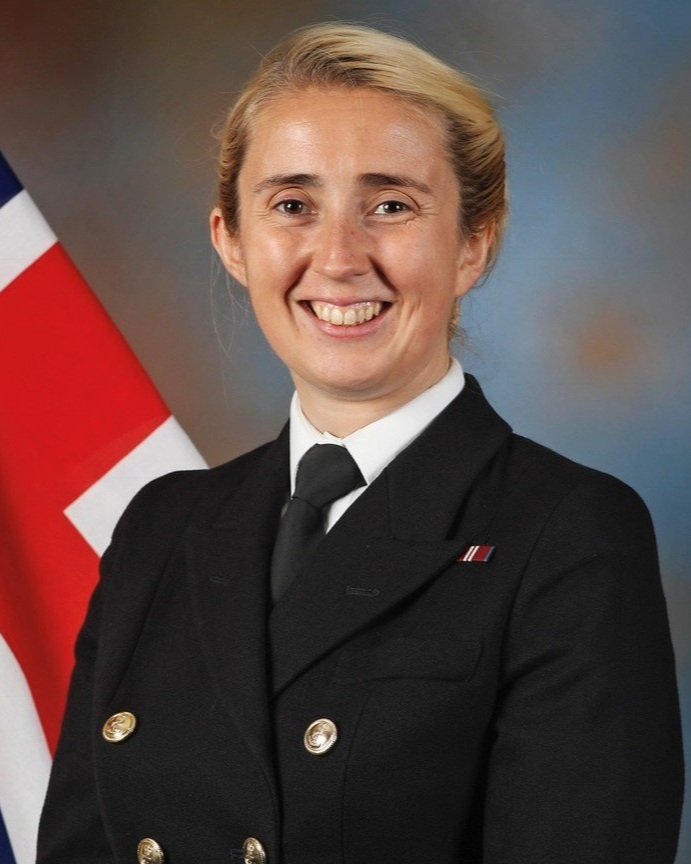
CHARLOTTE EVANS
Royal Navy Hudson Fellow
Surgeon Commander Charlotte Evans was until recently the Consultant Advisor in Psychiatry to the Head of Royal Navy Healthcare. She was assigned to deliver subject matter expertise in her clinical role as a consultant psychiatrist, alongside non-clinical support and advice on the wider aspects of mental health and illness through strategic, operational and tactical levels. She has delivered particular emphasis on provision of support in the maritime operational space, and training personnel to support good mental health in their people to enhance operational capability.
Early career highlights have included operational deployments as a General Duties Medical Officer on RFA LARGS BAY and HMS MONTROSE and RICHMOND, predominantly conducting disaster relief planning and training, and counter-piracy activity off the East coast of Africa. She has also conducted deployed mental health research and completed her MSc in Evidence Based Healthcare through the University of Oxford alongside her clinical training. Her dissertation focussed on the occupational outcomes for military mental health patients.
Current research interests: the role of mental health in the moral component of warfighting, whether traditional understanding of military operational mental health delivery meets current demands, and what psychiatry may have to offer in defence against cognitive warfare.
DENNIS GYLLENSPORRE
The Utility of AI in Military Diplomacy: An initial appraisal
Lieutenant General (Ret.) Dr Dennis Gyllensporre is an Associate Professor in Security Policy and Strategy at the Swedish Defence University and an Associate Fellow at the Geneva Centre for Security Policy. He also holds office as the Vice President of the Royal Swedish Academy of War Sciences. Gyllensporre has 38 years of service in the Swedish Armed Forces. In October 2021, he completed three years of service as the Force Commander for the United Nations Multidimensional Integrated Stabilization Mission in Mali (MINUSMA). He came from a four-year appointment as the Chief of Defence Staff (VCDS in UK terminology) and Director of Special Forces of the Swedish Armed Forces. He was promoted to Lieutenant General in 2014. Gyllensporre has multifaceted credentials in international cooperation and an extensive track record in interaction with political entities. This experience spans from operations at the tactical level to scientific work in renowned journals. He was appointed the military expert to the parliamentary Defence Commission for five years. Gyllensporre has served as a staff officer in various positions, including tours abroad in Bosnia-Herzegovina and Sudan, and served as a military advisor in international crisis management at the MoD. He has also been assigned as chief of staff at the Swedish Joint Operations Command and later as head of the Doctrine and Concepts Branch at the European Union Military Staff. In 2008 he was deployed to Afghanistan as the Chief of Staff at Regional Command North of the NATO-led operation (ISAF). Subsequently, Gyllensporre has held several positions in the Swedish Armed Forces Headquarters, including Chief of Staff of the Supreme Commanders staff and Head of the Policy and Plans department. He has studied at numerous military institutions and holds several academic degrees, including a Master of Science in Computer Science (Royal National Institute of Technology, Sweden), Master of Business Administration (Warwick University, United Kingdom), Master of Military Arts and Science (USA Army Command and General Staff College), as well as a PhD in Policy Analysis and Governance (Maastricht University, the Netherlands). He is the author of several books and academic articles on military strategy and security studies.
He is a recipient of the Swedish Armed Forces Medal of Merit in gold for distinguished leadership during combat and war-like situations, the French Ordre national de la Légion d'honneur, the Chevalier de l'Ordre national du Mali, and the Dwight D. Eisenhower Award (2001) for academic achievements at U.S. Army Command and General Staff College. He was selected as the ‘Leader of Change 2022’ in Sweden for successful work as an adaptation manager. Gyllensporre is inaugurated to the Hall of Fame at the U.S. Army Command and General Staff College (2017) and the U.S. National Defense University (2022).


SOPHIE IBBOTSON
Water conflict in South and Central Asia
Sophie Ibbotson is a consultant, researcher, and Chairman of the Royal Society for Asian Affairs, with 15 years of experience advising national governments, IFIs, and the private sector in fragile states and emerging markets. Her focus areas are crisis and resilience, water security, governance, and economic development, in particular in Afghanistan and Central Asia. At the Changing Character of War Centre, Sophie is researching the modelling of water conflict risks and the capacity of policy makers to mitigate water conflict.
Sophie read Oriental Studies at Clare College, Cambridge, and has an MA-MSc from the London School of Business and Finance. She is on the editorial board of the Asian Affairs journal, has published articles in the Financial Times, National Geographic, and The Telegraph, and is the author of six books. Her next book, Oxus, is a study of water security and related issues along the Amu Darya.

BJØRN MOBECK-HANSSEN
Multi Domain Operations from a Small State Perspective
Bjørn E. Mobech-Hanssen is a scholarship holder at the Command and Staff College, at the Norwegian Defence University College (NDUC) in Oslo. Bjørn is currently on leave from the PhD programme in Political Science at the University of Oslo. He holds a Cand. Polit. degree (Master equivalent) in Political Science from the University of Tromsø, the Arctic University. As an Army major, Bjørn has served and held command in the Norwegian Army Air Defence and in several positions including Defence Staff and Ministry of Defence, and in UN and NATO operations.
Bjørn’s main research interest, in addition to government decision-making processes, include military decision-making processes with a focus on joint operations; defence planning and reforms in military sector; the digital shift from a military operational capability perspective; and multi-domain initiatives, especially from a small-state perspective. He has published peer-reviewed research articles on the Norwegian Defence’s digital maturity with fellow researcher, Professor Tormod Heier, and on the Norwegian Armed Forces’ ability to utilize highly advanced digital technology like the newly acquired F-35 fighter jets. He has also published articles on digitalization of military logistics, and the organizational restructuring of the Norwegian Defence after the Cold War. As Visiting Fellow with the Oxford Changing Character of War Centre during Michaelmas term 2023, his priority is work on a research paper on multi-domain operations from a small state perspective.
EUGENIA O’KELLY
The future of grey zone, major power conflict and the impact on military medicine
Eugenia O’Kelly holds doctorate in engineering from the University of Cambridge and a bachelor’s degree from Stanford University. Her expertise lies in the strategic design and implementation of technology, with a focus in risk management and medicine. Eugenia O’Kelly’s research has garnered international recognition and has been used to inform policy decisions. Her work has been utilized by both the Centre for Disease Control (CDC) and the World Health Organization (WHO) to inform public policy recommendations. Her research has also been covered by news organizations around the world, including The Guardian, The New York Times, CNN, and The Wall Street Journal, further amplifying the impact of her research.
Eugenia O’Kelly also served as an advisor and consultant on various military projects. Prior to the pandemic, she collaborated with SOCOM (Special Operations Command) to develop software for remote, covert field care in challenging environments. Her previous collaboration with the US Marine Corps and the University of California San Francisco medical center resulted in the development of a cutting-edge remote PTSD treatment platform.
During the COVID-19 pandemic, Eugenia O’Kelly spearheaded an international task force dedicated to researching and strategizing respiratory protection measures for the general public contributing to global efforts in combatting the spread of the virus. Her team's work not only contributed to the development of evidence-based guidelines and recommendations, but also played a vital role in raising awareness about effective preventative measures, ultimately helping to safeguard communities worldwide against the spread of the virus.

PAUL TEDMAN
Space Strategic Review: A Roadmap for the UK Joint Force 2030
Brigadier Tedman was commissioned into the Army Air Corps (AAC) in 1997 and awarded his Army flying badge in 1999. Regimental Duty included flight command in the newly formed 16 Air Assault Brigade, service in Northern Ireland and assignment to 657 Squadron AAC (2000 to 2004), Joint Special Forces Aviation Wing (JSFAW) - where he exercised worldwide and deployed on operations in the Balkans, Africa, Afghanistan and Iraq. Subsequently, he completed a short exchange in the US with the 160th Special Operations Aviation Regiment. On promotion to Major he was appointed SO2 Joint Effects in the ARRC (2006 to 2008), a period dominated by a year in Afghanistan on the staff of HQ ISAF IX. He subsequently assumed command of 661 Squadron AAC (2008 to 2010) serving in Iraq and Afghanistan. He then returned to JSFAW as the Deputy Commander (2010 to 2011).
on promotion to Lieutenant Colonel and graduation from the Advance Command and Staff Course, he assumed command of 1 Regiment AAC (2012-2015). During his command he served in Afghanistan as Deputy Commander Joint Aviation Group (HERRICK 18) and relocated the Regiment from Germany to RNAS Yeovilton to transition on to the Wildcat Reconnaissance Helicopter. He was subsequently SO1 Strategy (2015 to 2016) at Army HQ, contributing to the Army’s SDSR 15 proposition and resultant restructuring.
Promoted to Colonel in 2016, Tedman assumed command of the Aviation Reconnaissance Force (2016 to 2019) and oversaw aviation operations in Northern Ireland and the delivery of Army Wildcat to readiness. He promoted to Brigadier and took up appointment as Deputy Commander Joint Helicopter Command in October 2019, overseeing Defence’s battlefield helicopter capability. And on 1 Apr 2020 he assumed command of 1st Aviation Brigade, which he built from first principles and delivered to IOC. In August 2021 Brigadier Tedman was selected to be the UK’s inaugural Deputy J5 in US Space Command, Colorado Springs. In this role he served as a pathfinder for allied integration into the US’ newest combatant command, and was central to the formulation of US National Security Space policy, strategy and plans.
Brigadier Tedman has a Bachelor’s degree in aerospace engineering and a Master’s degree in war studies. He was awarded a Queen’s Commendation for Valuable Service (QCVS) in 2003 for service in Iraq, a second QCVS in 2013 for service in Afghanistan, he was appointed a Commander of the Most Excellent Order of the British Empire (CBE) in 2020 and was awarded a US Legion of Merit in 2023.

ANDREW WARD
Royal Navy Hudson Fellow, Integrated Review 2025
Andrew Ward is the 2023-24 Royal Navy Hudson Fellow. Andrew joined the Royal Navy in 2012, serving at sea in destroyers HMS DRAGON and DUNCAN in the Middle East. Recently he has been working in international policy at the Ministry of Defence and Northwood Headquarters. He read Philosophy, Politics and Economics at University College, was a visiting student at Washington & Lee University and completed an MA in Defence and Security Studies (Maritime) at King’s College London in 2021. His paper on the Royal Navy and the Early Cold War was published in January 2022.

DOUG ROBB
US Hudson Fellow
Commander Douglas Robb is the Academic Year 2023-2024 US Navy Hudson Fellow at St Antony’s College and a visiting research fellow in the Changing Character of War Centre at Pembroke College.He graduated from the United States Naval Academy with a Bachelor of Science in Political Science and holds Master of Arts degrees in National Security Studies from Georgetown University’s School of Foreign Service and the U.S. Naval War College (all with distinction). He also attended the Joint Forces Staff College.
Robb’s operational assignments have been in Pacific fleet-based guided missile destroyers, culminating most recently as commanding officer of USS Spruance (DDG 111), homeported in San Diego, California. Previous staff assignments in Washington, DC include liaison to the U.S. House of Representatives in the Navy’s Office of Legislative Affairs; Tomahawk Missile and Surface Strike section head in the Navy Staff’s Surface Warfare Division (OPNAV N96); and speechwriter for the Chief of Naval Operations.
In addition to personal decorations and campaign ribbons, Robb received the Navy League’s Stephen Decatur Award for Operational Competence and the War College President’s Honor Graduate Award. He served as an elected member of the Surface Navy Association national board of directors and co-authored Naval Officer’s Guide to the Pentagon (U.S. Naval Institute Press).